Emergency crews are racing against time to find survivors after a powerful magnitude 7.4 earthquake struck western Colombia, leaving widespread destruction and a rapidly rising death toll.
The earthquake struck on Monday, August 10, 2026, with its epicenter near San José del Palmar in the Chocó region, according to reports. The powerful tremor caused buildings to collapse and damaged communities across western Colombia, including Cali, Pereira, Manizales and Quibdó
The number of people confirmed dead has continued to rise as rescue teams reach damaged areas. Reuters reported Tuesday that at least 254 people had died, while thousands of others were reported missing or unaccounted for. Earlier reports had placed the death toll substantially lower, reflecting the difficulty of obtaining accurate information from some of the hardest-hit areas.
The earthquake has been described as the strongest recorded in Colombia this century, causing extensive damage across the country’s coffee-growing region. More than 1,000 homes were reported destroyed, while hundreds of other buildings sustained damage.
Rescue operations have been complicated by the geography of the affected region. Parts of Chocó, one of Colombia’s poorest and most remote areas, have been particularly difficult for emergency teams to reach. Some Indigenous communities near the epicenter have reported being without electricity and basic services, increasing concerns about access to food, water and medical assistance.
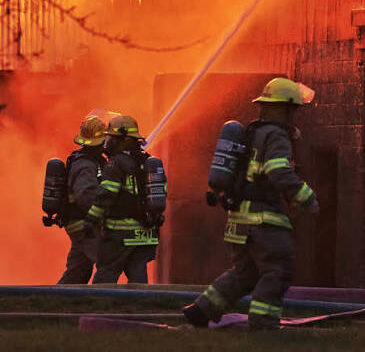
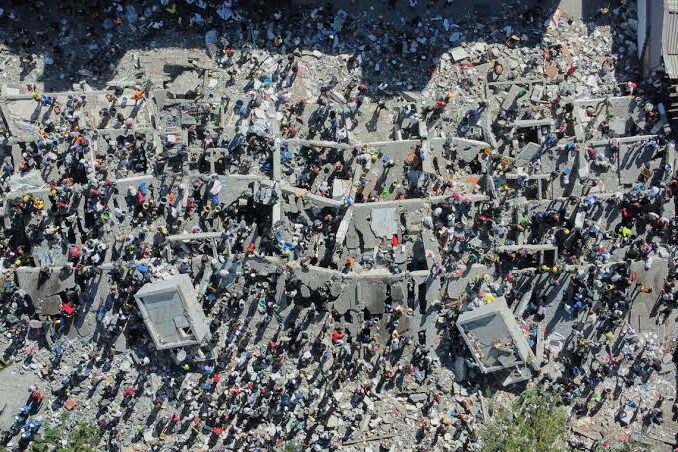
Emergency responders have been searching through collapsed buildings using heavy machinery as well as their hands, hoping to locate people trapped beneath the rubble. The first days following a major earthquake are critical, and rescuers are working under intense pressure as aftershocks continue to shake parts of the country.
Thousands of people have been left homeless, while hospitals and other public services in some areas have struggled to cope with the scale of the disaster. In Cali, authorities have reported severe pressure on health services, while curfews have been introduced in some areas amid concerns about looting and public safety.
Survivors have described terrifying moments as buildings shook and collapsed around them. Families have also turned to social media and other communication channels in an effort to locate relatives whose whereabouts remain unknown.
The humanitarian situation is particularly concerning in isolated communities. A senior United Nations official warned that food distribution will be critical in the days ahead, while Indigenous leaders near the epicenter have said some communities were still waiting for meaningful assistance.
The Colombian government has declared a national disaster/emergency response, allowing authorities to mobilize additional resources for rescue and relief operations. Newly inaugurated President Abelardo de la Espriella, who took office only days before the earthquake, has visited affected areas and pledged government support for victims and communities struggling to recover.
International assistance has also begun to emerge. The United States has pledged $15.5 million in aid, while countries including El Salvador, Mexico and Chile have offered assistance to Colombia.
The disaster has also affected everyday life across the country. Colombia’s football authorities suspended domestic league matches for the week, while South America’s football governing body, CONMEBOL, postponed two continental club matches involving Colombian teams as a mark of respect for the victims and because of safety concerns.
As rescue operations continue, the number of casualties could rise further. Authorities are still attempting to establish the full extent of the destruction, particularly in remote communities where communications remain disrupted.
For thousands of Colombian families, the search is now deeply personal as they wait for news of loved ones. Rescue workers, volunteers and local residents continue to comb through rubble in hopes of finding survivors, while communities across the country begin confronting the enormous task of recovering from one of Colombia’s most devastating earthquakes in decades.